
Technology
Edge AI for distributed acoustic sensing.
Signal processing, on-device inference, distributed nodes and communications — turning sound into operational awareness.
How Tersonic works
Five stages, from sound to decision.
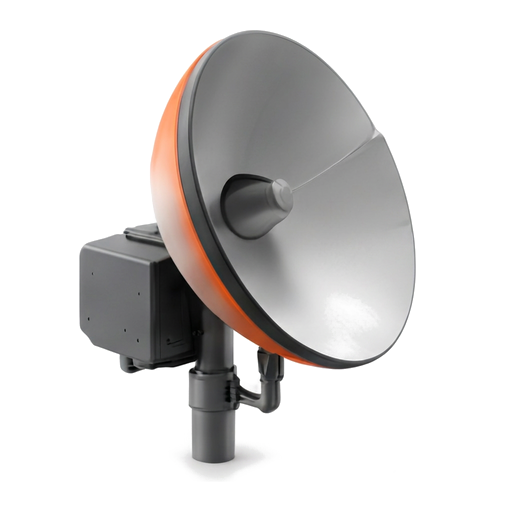 01
Sense
Passive acoustic nodes continuously capture the surrounding sound environment.
 02
Process
Domain-specific signal processing extracts useful acoustic features.
 03
Classify
On-device AI classifies relevant sound events close to the source.
 04
Connect
Relevant events and system health are relayed through resilient communications.
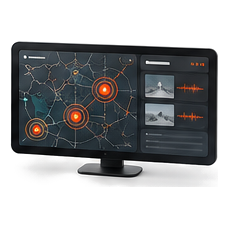 05
Operate
Detections become located alerts and operational context for operators.
System architecture
Three layers, one system.
Layer 01
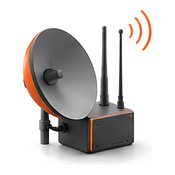
Sensor Nodes
- Acoustic capture
- On-device DSP
- Edge AI inference
Layer 02
Resilient Communications
- Event relay
- Event aggregation
- Resilient transport
Layer 03
Watchtower
- Situational awareness
- Alarm management
- Node & fleet status
Detection and classification happen on the nodes; connectivity carries events, not raw audio.
Built for deployment
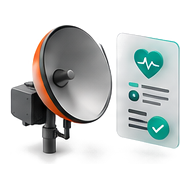
Reliability in the field
Designed for continuous operation in real deployment environments.
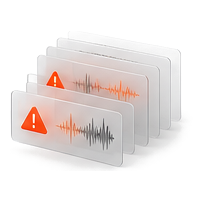
False-alert reduction
Classification and event logic are designed to reduce unnecessary operator alerts.

Real-time response
Edge processing keeps detection and classification close to the sensing point.
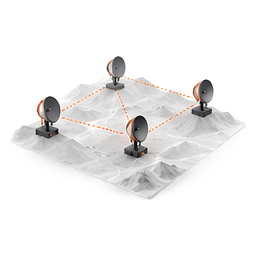
Scalable deployments
Architecture designed to evolve from individual nodes toward distributed networks.